
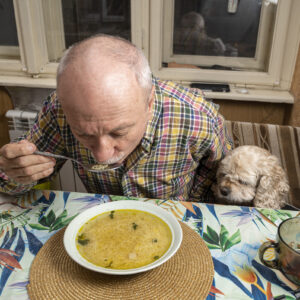
Dementia Care Supports Healthy Eating Habits and Better Daily Nutrition at Home
Malnutrition is common in seniors, but seniors who have dementia have an even higher risk of being malnourished. Dementia care services are a great way to lower the risk that your parent will become malnourished if they’re living at home.
Seniors with dementia have a higher risk of becoming malnourished because, as their dementia progresses, they may no longer recognize their body’s hunger cues. They may also be unable to ask for food when they are hungry.
With dementia care, your parent will have a caregiver at home who is trained to recognize signs of hunger and thirst in seniors who can’t communicate those needs. A dementia care provider can establish consistent mealtimes for your parent, regularly encourage them to drink water or juice, and ensure they get enough calories each day.
Dementia Changes How Your Senior Parent Interacts With Food
Not being able to recognize when they are hungry isn’t the only way that dementia can impact your parent’s ability to eat. Dementia can cause symptoms like these, which impact your parent’s appetite or ability to eat:
Trouble recognizing food
Dementia can affect how the brain understands what the eyes are seeing. Your parent may look at a plate of eggs, toast, or soup and not realize it is food. They may think it is an object, a mess, or something unsafe.
This can happen even with foods they once loved. They may also forget what to do with utensils or how to start eating. If they seem confused at mealtime, simple meals with familiar foods can help. Reassurance from a dementia care provider they trust can encourage them to eat.
Changes in taste and smell
Dementia can change the senses of taste and smell. Foods may suddenly smell strange, too strong, or spoiled even when they are fresh. A favorite meal may now taste bland, bitter, or unpleasant.
Some people begin craving sweet foods because sweet flavors are easier to notice. Others may reject foods they used to enjoy because the taste no longer feels right.
Aversion to textures
Texture can become a major issue. Your parent may suddenly refuse crunchy foods, mixed foods, chewy meats, or anything mushy. Oatmeal, yogurt, casseroles, or cooked vegetables may feel unpleasant in the mouth.
They may gag, spit food out, or turn away after one bite. This is not always stubbornness. The brain may process texture differently, making food feel upsetting or hard to manage. Soft foods, smooth foods, or clearly separated foods on the plate may be easier to accept.
Difficulty chewing or swallowing
Dementia can weaken the ability to chew and swallow safely. A parent may hold food in the mouth, cough while eating, choke easily, or take a very long time to finish a meal. They may avoid eating because it feels hard or scary.
Some people cannot explain what is wrong, so they simply refuse food. This issue can become serious because it raises the risk of malnutrition. A dementia care provider who recognizes that your parent isn’t eating because they are having trouble chewing or swallowing can make sure that your parent has smoothies, protein shakes, or pureed foods that are easy to swallow and don’t require chewing.
Distraction, confusion, or forgetting to eat
Eating requires focus. Dementia can make it hard to sit still, follow steps, or stay on task long enough to finish a meal. Noise, TV, conversation, or clutter on the table may distract them.
They may forget they were eating, stand up mid-meal, or say they already ate when they did not. Eating meals at the same time every day can make meals feel more familiar and easier to manage.
Fear, paranoia, or mood changes
Dementia sometimes causes fear or false beliefs. A parent may think food is poisoned, think someone is trying to harm them, or believe the meal belongs to someone else. A dementia care provider who is used to working with seniors who have dementia can gently redirect your parent without correcting them and encourage them to eat.
If you or an aging loved one is considering Dementia Care in Glen Cove, NY, please contact the caring staff at Brookville Homecare today. 516-802-7722